
Now Reading: GPI Player of the Year
-
01
GPI Player of the Year

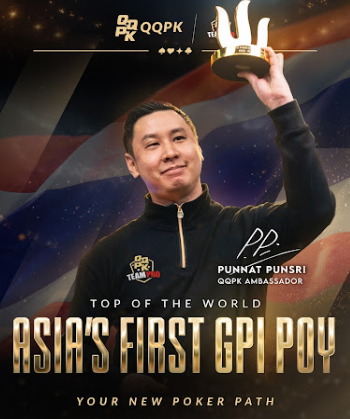
Being ranked GPI #1 was always something I’d quietly wanted at some point in my career. It was a personal benchmark I held for myself, but interestingly, the idea of going after GPI Player of the Year didn’t really enter my mind until after EPT Barcelona 2025. Up until then, I was focused on playing my best poker and letting results take care of themselves.
[Results: At EPT Barcelona 2025, Punsri cashed five times amounting to ~US$ 959,812, reached four final tables, with one runner-up and one victory.]
After Barcelona, the momentum started to shift. Consistent deep runs, combined with a few big wins, placed me firmly inside the top ten. I knew that delivering a standout performance at Triton One and the Triton Super High Roller Series could genuinely propel me to the top.
It became real for me after finishing second in the Triton One Main Event. That result moved me into second place in the overall standings, and just a week later, winning the $50k took me to number one. In that moment, it shifted from being a possibility to something tangible, unfolding in real time.
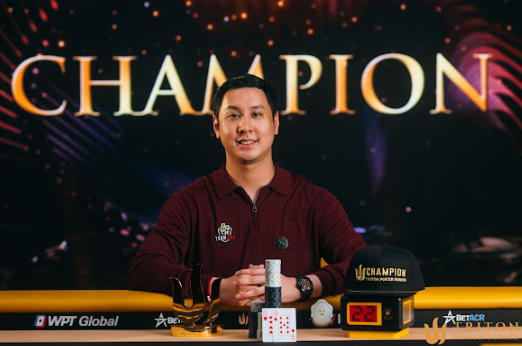
Photo by Triton Poker Series
Even when I was overtaken by both Artur and Jesse in the weeks that followed, I remained calm because I understood how the points system worked. My 12th and 13th included scores were relatively low compared to the top end of my results, so I focused on identifying opportunities to replace them with stronger finishes that could move me back into a commanding lead.
At that point, my game was exactly where it needed to be. I felt confident, sharp, and mentally clear. I wasn’t forcing anything – I trusted the process and my decisions. I knew that if I stayed disciplined and focused, I would finish the year strongly regardless of the outcome. That steady conviction became a quiet force that carried me forward.
From that point on, my schedule became far more intentional. Every decision shifted towards optimisation rather than volume. It became more about playing the system intelligently and trusting the process.
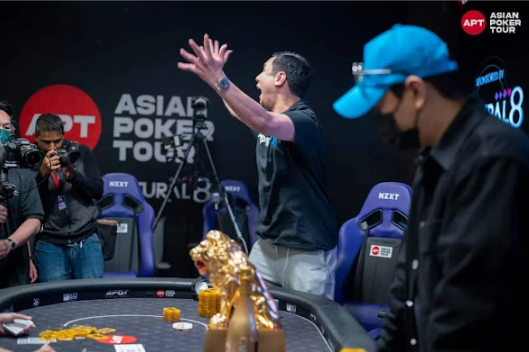
Photo by Asian Poker Tour
I’m very lucky to have a strong circle around me. My friends played a huge role in encouraging me to really go for it. Opportunities like this don’t come around often, especially for an Asian player, and they reminded me of that. Matt and Danny, in particular, pushed me to pivot my plans. They suggested I skip the last events at Poker Dream in October and instead fly to chase points at MPT Macau and KPC Jeju. That wasn’t originally part of the plan, and it ended up being the most travel I did within a two-month span. However, they saw that I was in a position where one or two major results could make me Asia’s first-ever GPI POY winner, and they wanted to ensure I maximized that opportunity.
It came down to commitment and a willingness to do whatever was required, even when it wasn’t convenient. I flew back and forth to the APT Championship in Taipei multiple times, despite significant responsibilities waiting for me back home. Even when I could return only to play a handful of events, I made sure I did. I wasn’t willing to leave anything on the table.
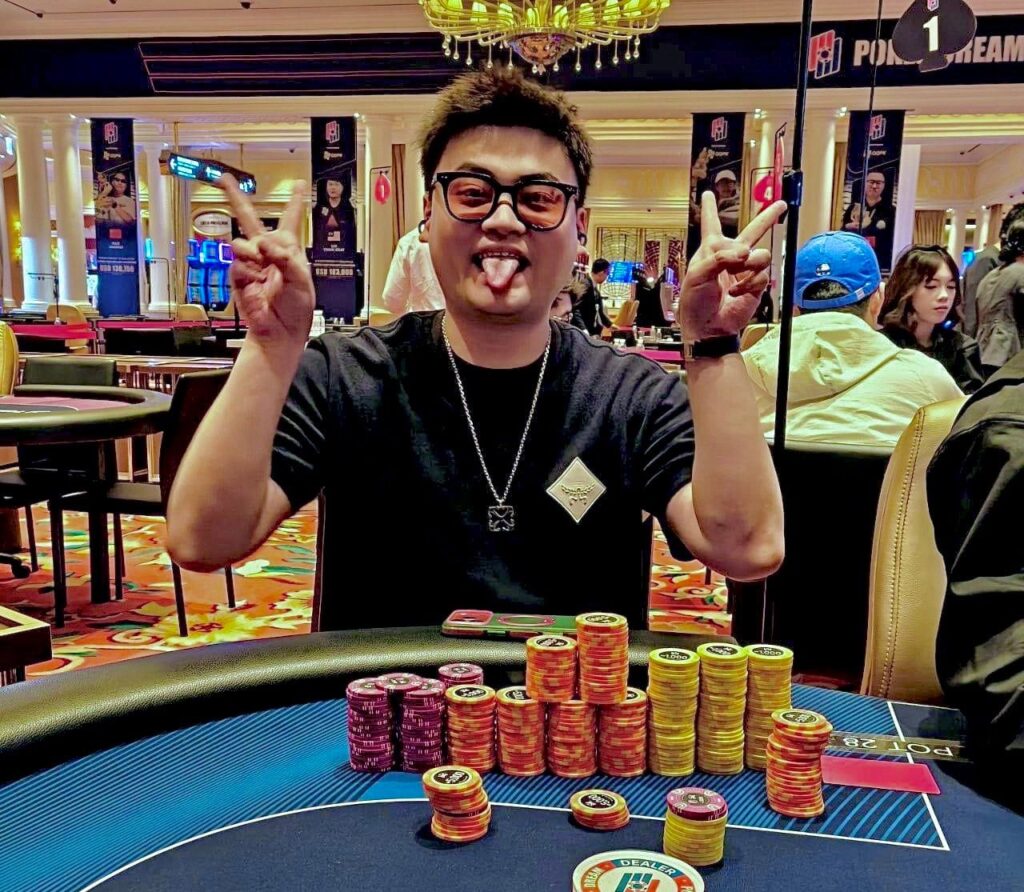
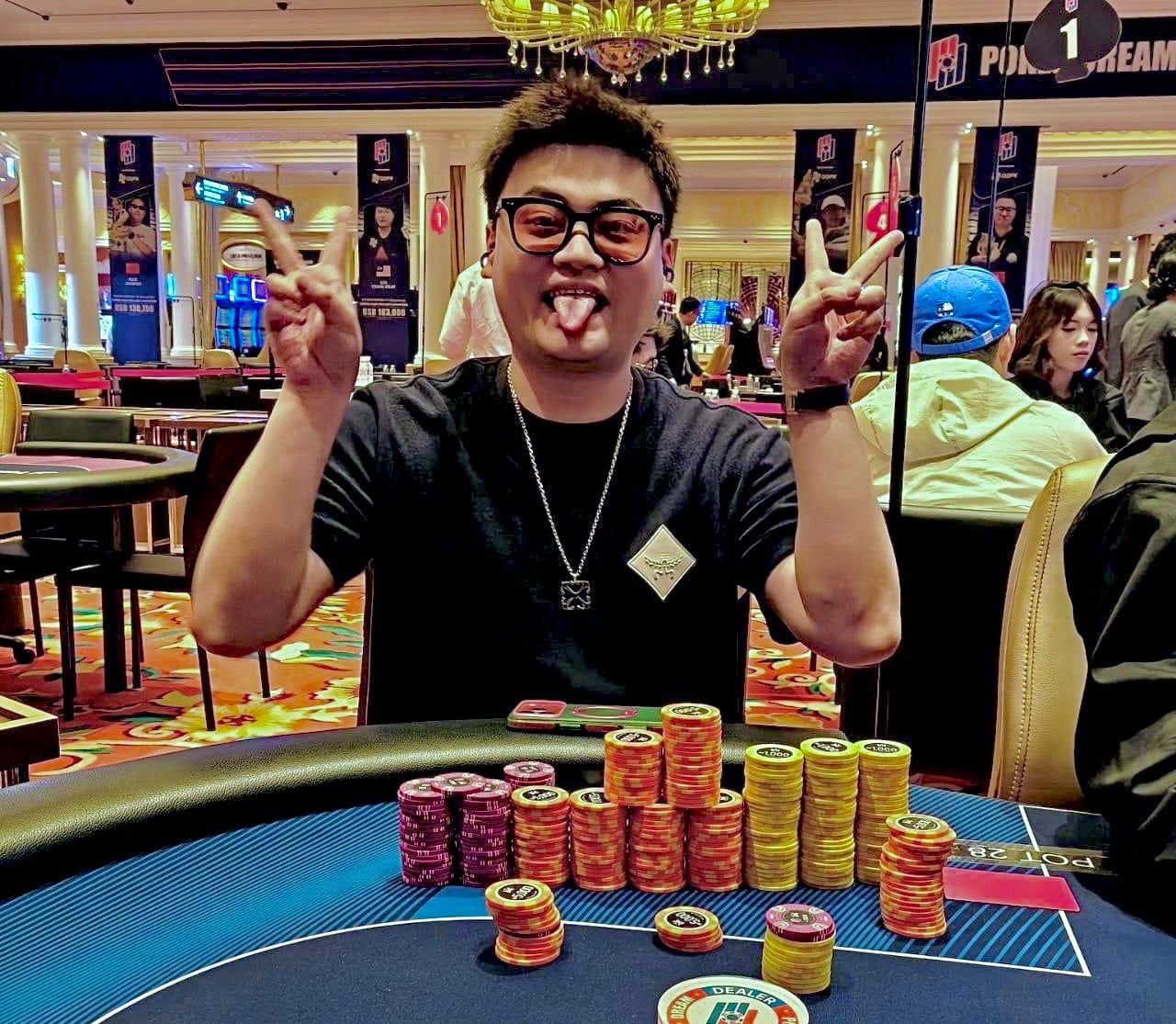
One moment that summed it up perfectly was when I flew back to Bangkok mid-series to serve as best man at a wedding, then making sure my driver woke me around 7 a.m. the next morning to take me straight to the airport so I could still make the max late registration for the APTC $50k Superstar Challenge. A few days later, an unexpected issue required me to fly back again – simply to provide physical fingerprints. As soon as that was done, I immediately returned to Taipei to play the $15k APTC High Roller, where I finished fifth. That result gave me just enough points to reclaim the number one spot heading into WSOP Paradise in the Bahamas.
It felt great There was a sense of pride and validation for all the effort and sacrifices. But at the same time, I knew the job wasn’t done. Mentally, I was already focused on the Bahamas, ready to give it everything and see it through to the end.
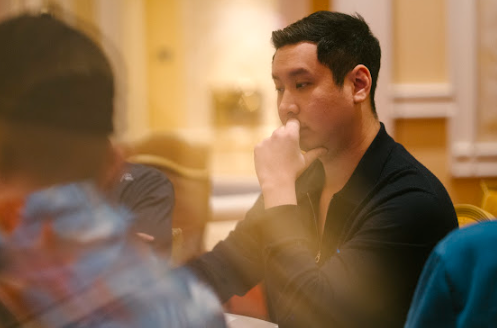
Punnat Punsri at $25K WPTWC, Photo by World Poker Tour
In the Bahamas, I dropped to second in the rankings on December 16. Kiat urged me to make a last-minute trip to Las Vegas the next day to max late register for the $25k WPT World Championships side event at the Wynn. It wasn’t planned, required canceling important commitments in Bangkok, all for a chance that seemed very slim on paper. Still, that belief and encouragement proved decisive. Sometimes, what matters most is having people around you who can see possibility when the outcome feels almost impossible.
But that decision came with a real personal cost. It meant missing a close friend’s wedding, something that weighed heavily on me. These are the moments that never show up on a results sheet, but they matter when you’re making decisions at this level.
I was grateful that my friend, who’d seen me play poker in Bristol since 2011, understood what this meant to me. That support made it possible to move forward without hesitation, though it didn’t make the choice any easier. Once I committed, there was no room for doubt. The objective was clear: a top-three finish in the $25k two-day event at the WPT World Championship, assuming the field exceeded 84 players. I had less than 24 hours to get from the Atlantis to the Wynn Las Vegas, while securing accommodation, before late registration ends.
In Vegas, the focus was absolute. I pushed myself fully, trusted my game, and navigated the final table with one goal in mind: putting myself in the best possible position to podium. That meant embracing risk when it mattered and restraint when it didn’t – e.g. looking for a double-up as the second-shortest stack with nine left, even at the cost of not laddering, then tightening up five-handed as a medium stack, avoiding marginal opens especially into the chip leader’s big blind and letting pressure build elsewhere.
I finished third. With 89 entries, it was enough to give me the points I needed to return to first place. Even then, I knew it wasn’t over – but that moment marked a miraculous turning point.
Looking back, going to Vegas was the decision that shaped everything. It was a reminder that the right decisions are rarely the easiest ones – but they’re the ones that ultimately define the outcome.
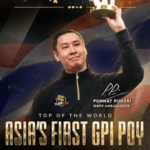
When it was finally confirmed in the closing moments of New Year’s Eve that I had won, the feeling was a quiet mix of relief, gratitude and pride – not just in the title itself, but in the discipline, sacrifices, and belief it took to hold my nerve until the very end.
Success wasn’t defined by a single result or one tournament. It came down to seeing the year through to the very end. Even after reclaiming the lead, nothing was guaranteed. The margins were razor-thin, and there were still scenarios in which others could overtake me. At that point, all I could do was wait, stay composed, and trust that the decisions I’d made throughout the year had placed me in the strongest possible position.
Much of the planning extended beyond tournament scheduling; it also focused on mindset and organisation, both internally and externally. I worked closely with my mindset coach, Basim, to stay grounded, clear and adaptable. When you’re chasing something at that level, the way you manage pressure, energy and focus makes all the difference.
Beyond the logistics and decisions, my team really extended to my family and friends back home. Their emotional support kept me balanced through the highs and lows, and knowing they were behind me made a huge difference during such an intense period.

Photo from The Nation
What made this GPI POY triumph especially meaningful was that it coincided with Thailand’s official recognition of poker as a Mind Sport in 2025. This milestone strengthens the credibility of both my journey and the wider Thai poker community, positioning poker as a high-performance mind sport built on strategy, decision-making, emotional control and mental endurance.
As a Thai player, this achievement goes beyond personal success. It represents responsibility – showing what’s possible for Thailand on the global stage, and helping to challenge outdated perceptions of poker by highlighting the professionalism, discipline and integrity required at the elite level.
For me, this moment feels like a starting point: a foundation to contribute more meaningfully towards poker being recognised, regulated and respected in Thailand.
Related Posts

Previous Post
Next Post





Advertisement